Crash site of former Iranian President Ebrahim Raisi named national heritage site

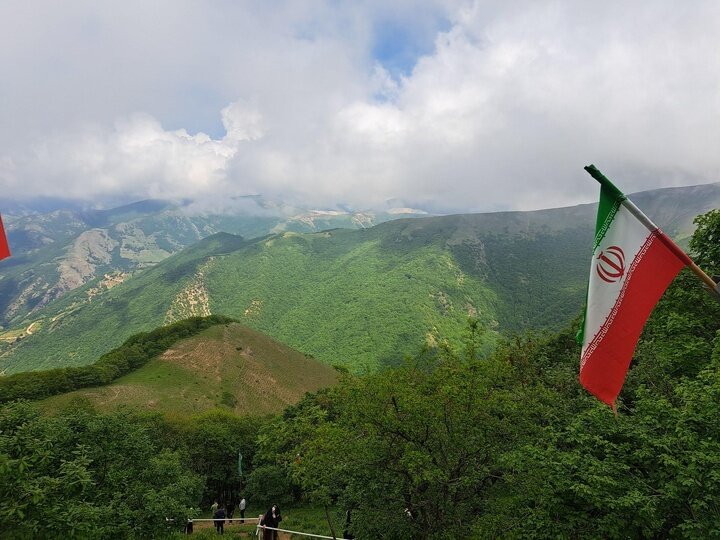
TEHRAN – The site where former Iranian President Ebrahim Raisi and seven others were martyred in a helicopter crash in East Azarbaijan province has been officially registered on Iran’s National Heritage List, a provincial cultural heritage official announced on Saturday.
Vahid Navdad, deputy director of East Azarbaijan’s Cultural Heritage Department, said the site, located near the village of Uzi in the Dizmar region of Varzaqan county, was registered under No. 34570 in recognition of its national and historical significance.
The crash occurred on May 19, 2024, when a Bell 212 helicopter carrying Raisi and a number of other officials and crew went down in the Dizmar forest area while they were returning to Tabriz from a ceremony marking the inauguration of the Qiz-Qalasi Dam on the Iran-Azerbaijan border.
Those martyred included Raisi, Foreign Minister Hossein Amir-Abdollahian, Mohammad Ali Ale-Hashem, the representative of the Leader of the Islamic Revolution in East Azarbaijan and Friday prayer leader of Tabriz, and Malek Rahmati, the province’s governor-general, along with members of the flight crew and other accompanying personnel.
Speaking about the significance of the registration, Navadad described the May 19 incident as one of the most consequential events in Iran’s contemporary history.
He said the historical value of a site was not necessarily determined by its age, architectural features or surviving physical remains, adding that places could also acquire national significance through events that become deeply embedded in a country's collective memory and cultural identity.
“The Dizmar region has acquired such a standing by being the setting for one of the most significant events in the country's contemporary history,” he said.
Navadad said the national registration would help formally recognize the site's historical and symbolic significance, facilitate professional documentation of its characteristics and provide a legal framework for its protection.
He added that cultural heritage encompassed not only physical monuments but also historical narratives, collective memories and landmarks connecting successive generations.
The registration, he said, would preserve the site as a marker of Iran's national historical memory, alongside the region's natural and geographical significance.
AM
Leave a Comment